
9mm Ammo Buying Guide: Secure the Best Rounds for Range and Defense Today
A shooter clears a jammed drill and racks the slide, feeding a fresh 9mm round into the chamber with crisp certainty. This cartridge’s short, fat case and 9×19mm dimensions deliver reliable cycling under rapid fire, balancing recoil so you stay on target for faster follow-up shots. Its jacketed hollow-point bullets expand reliably in defensive scenarios, while full metal jacket loads punch clean holes for affordable practice. Choose 115-grain for low recoil or 147-grain subsonic Ammunition for Sale for suppressed precision—every round rewards the pull with immediate, controllable power.
What Makes 9mm Luger the Most Versatile Handgun Round Today
The 9mm Luger earns its title as the most versatile handgun round today because of the sheer range of 9mm ammo it offers, letting one gun handle nearly every job. For home defense, you load jacketed hollow points that expand reliably at low velocities, dumping energy without over-penetrating walls. For the range, cheap full metal jacket rounds give you hundreds of reps for pennies, building muscle memory without punishing recoil. Need a compact carry load? The 9mm’s pressure curve works perfectly in short barrels, maintaining consistent velocity from a 3-inch slide, unlike larger calibers that lose power. For training, you can mimic defensive ballistics with lighter frangible or flat-nose loads, while +P variants push performance into duty-grade territory. This spectrum—from mild to hot, defensive to economical—means one platform adapts to your daily reality, not the other way around.
Breaking Down the 9x19mm Dimensions and Why They Matter for Fit and Feeding
The 9x19mm case tapers from 9.93mm at the rim to 9.65mm at the mouth, a subtle but critical geometry for reliable extraction and chambering. This taper ensures the round releases cleanly from the chamber after firing, preventing stuck cases. The cartridge’s 19.15mm overall length, combined with a standard bullet ogive, dictates the feed ramp angle your pistol needs. If your barrel’s throat is too tight or the feed ramp too steep, the bullet’s profile will jam, not glide. That’s why 9mm dimensions directly dictate feeding reliability—even a 0.1mm variance in case wall thickness can alter neck tension, causing setback and catastrophic pressure spikes. Precision matters.
Q: Why does the 9x19mm’s slight taper affect feeding in modern polymer pistols?
A: The taper prevents the case from gripping the chamber walls on ignition, while the rim diameter ensures the extractor grabs firmly. Without this exact geometry, rounds would either seat too deeply or fail to strip from the magazine, causing stovepipes and double-feeds.
The Difference Between 9mm Luger, 9mm NATO, and +P Loads You Need to Know
Standard **9mm Luger** typically operates at a maximum pressure around 35,000 psi, while 9mm NATO is a hotter military-spec load, often exceeding 36,500 psi, and is usually marked with a cross in a circle on the headstamp. This higher pressure creates more velocity and perceived recoil, .32 ACP Ammo for Sale making NATO rounds unsuitable for older or weaker pistols not rated for it. +P loads push pressure even further, around 38,500 psi, delivering top-tier defensive performance. Understanding these differences prevents mechanical failure and ensures reliable cycling. Always check your firearm’s manual for its pressure rating before firing; using +P in an unrated gun risks damage, while using standard ammo in a NATO-rated gun is always safe.
Choosing Between Full Metal Jacket and Hollow Point for Your Shooting Goals
Choosing between full metal jacket (FMJ) and hollow point (HP) for your 9mm ammo hinges entirely on your shooting goals. For target practice and high-volume range sessions, FMJ 9mm is the practical choice due to its lower cost and reliable feeding in semi-automatic pistols. Its solid lead core and copper jacket create clean, round holes for scoring. Conversely, for self-defense or personal protection, hollow point 9mm is superior because it expands upon impact, transferring energy and reducing over-penetration risk. However, HP rounds are significantly pricier and may cause malfunctions in some compact guns. For competition shooting, FMJ offers predictable recoil for faster follow-ups, while HP ensures defensive drills mimic carry loads. Always test your chosen 9mm HP in your specific firearm for reliable expansion and feeding, as not all barrels cycle every hollow point profile.
When to Use FMJ for Range Practice and Faster Follow-Up Shots
For most range sessions, **FMJ rounds are the optimal choice for speed work**. Their flat base and .32 Win Special Ammo for Sale consistent crimp feed flawlessly from the magazine, reducing the risk of a jam that breaks your rhythm during rapid fire. Because they are significantly cheaper than defensive hollow points, you can afford the high round count needed to build muscle memory for trigger control and sight reacquisition. The lighter recoil impulse, compared to heavier defensive loads, lets you keep the front sight on target and fire quicker, more accurate follow-up shots. Save your premium hollow points for function-testing your carry gun; use FMJ to ingrain the mechanics of shooting fast.
How Hollow Point Expansion Works to Maximize Stopping Power on Target
When a 9mm hollow point hits soft tissue, the hollow cavity fills with fluid, creating hydraulic pressure that forces the bullet’s jacket to peel back and the lead core to flare outward—like an umbrella snapping open. This rapid, controlled expansion increases the bullet’s diameter, which translates to a larger wound channel and more energy dumped into the target. Unlike a full metal jacket that pokes a clean hole, the expanded slug creates a shock wave that disrupts vital organs and causes faster incapacitation. The key is velocity: 9mm loads pushing 1,000+ fps give the jacket enough energy to expand reliably, but not so much that it fragments prematurely. That balance is what makes hollow point expansion mechanics so effective for defense.
Q: How .35 Remington Ammo for Sale does expansion “stop” a threat faster than a non-expanding bullet?
A: Bigger surface area 6.8 SPC Ammo for Sale means more tissue crush and a sudden drop in blood pressure—plus the stretch cavity damages nerves and blood vessels far beyond the permanent hole, which speeds up the physiological stop.
Selecting the Right Grain Weight for Your Pistol’s Recoil and Accuracy
Choosing the right 9mm grain weight hinges on balancing recoil management and practical accuracy. Lighter 115-grain loads produce snappier, sharper recoil with a higher felt impulse, which can disturb your sight picture during rapid fire. Heavier 147-grain subsonic rounds generate a softer, push-like recoil that many shooters find easier to track through the optic, promoting faster follow-up shots and tighter groups at speed. A solid middle ground is 124-grain, offering a blend 6.5x57R Ammo for Sale of manageable recoil and flat trajectory. For defensive use, test your chosen grain weight for point-of-impact shift at 15 yards, since heavier slugs often print higher than lighter ones due to longer barrel dwell time. Ultimately, accuracy comes from consistency—pick one weight, stick with it, and let your muscle memory build around that specific recoil signature.
Why 115 Grain Offers the Snappiest Feel and Most Affordable Practice
For shooters chasing the most reactive cycling, 115-grain 9mm practice loads deliver the snappiest feel due to their lighter mass and higher velocity, producing a sharp, quick impulse rather than a slow push. This brisk recoil impulse is ideal for training follow-up shots and managing muzzle rise under speed. Simultaneously, 115-grain is typically the most affordable practice option, as its widespread production keeps costs lowest per round, letting you burn through more ammunition for the same budget. The trade-off—perceived sharpness over softness—is worth it for high-volume drills.
Why does 115 grain feel snappier than heavier 124 or 147 grain loads? Because the lighter bullet exits the barrel faster, transferring its energy in a shorter, more abrupt window, which your hand perceives as a crisp crack instead of a rolling shove.

Benefits of 124 and 147 Grain Loads for Suppressed Shooting and Reduced Muzzle Flip
For suppressed shooting, 147 grain loads excel because their subsonic velocity eliminates the sonic crack that dominates suppressor signature, leaving only mechanical action noise. Simultaneously, the heavier projectile’s increased dwell time in the bore delays unlock, which reduces port pop and improves gas management. Regarding muzzle flip, both 124 and 147 grain loads generate lower peak pressure spikes than lighter 115 grain rounds, producing a flatter, more controllable recoil impulse. The 147 grain’s slower, push-like recoil is easier to track for rapid follow-ups, while 124 grain offers a brisk compromise with better slide speed for reliable cycling in finicky suppressors. Heavier bullets also impart more rotational inertia, subtly stabilizing the pistol’s bore axis during the recoil cycle. Selecting heavy-for-caliber loads is the most effective single change for suppressed pistol control.
Q: Why do 147 grain loads reduce muzzle flip more than 124 grain?
A: The 147 grain’s lower peak chamber pressure produces a slower, more sustained recoil force vector, which spreads the upward torque over a longer duration, making the muzzle rise less abrupt and easier for the shooter’s wrists to counteract.
Understanding Ballistics: Velocity, Energy, and Drop at Various Distances
Standing at the firing line, you feel the 9mm’s sharp crack as the slide cycles. That 115-grain round leaves the muzzle around 1,150 feet per second, but velocity, energy, and drop at various distances tell a deeper story. At 25 yards, that speed bleeds to roughly 1,000 fps, leaving about 300 foot-pounds of energy—plenty for steel plates. Push to 50 yards, and the arc becomes real: the bullet drops 3–4 inches, forcing you to lift the front sight. By 100 yards, 9mm ballistics drop significantly, often 15–18 inches, while energy fades below 200 ft-lbs, so shot placement turns critical. That’s why I zero at 15 yards, .338 Lapua Ammo for Sale knowing the round’s trajectory stays flattest inside 30 yards, then falls predictably—a curve you memorize through practice, not theory.
Reading the Box: How Muzzle Velocity Translates to Flat Trajectories at 25 Yards
Reading the box’s stated muzzle velocity is your first step to predicting a flat 25-yard trajectory with 9mm ammo. A faster load, like a 115-grain bullet leaving at 1,200 fps, arcs less sharply than a subsonic 147-grain round at 900 fps. This is because higher velocity shortens time of flight, so gravity pulls the bullet down less before it reaches the target. Check the velocity rating, then understand your zero: if you sight in at 25 yards, a high-velocity load will strike closer to your point of aim with minimal holdover. For practical application:
- Locate the velocity figure (fps) on the ammunition box.
- Compare it to your barrel length—shorter barrels reduce actual speed.
- Adjust your sight height to match the predicted mid-range trajectory.
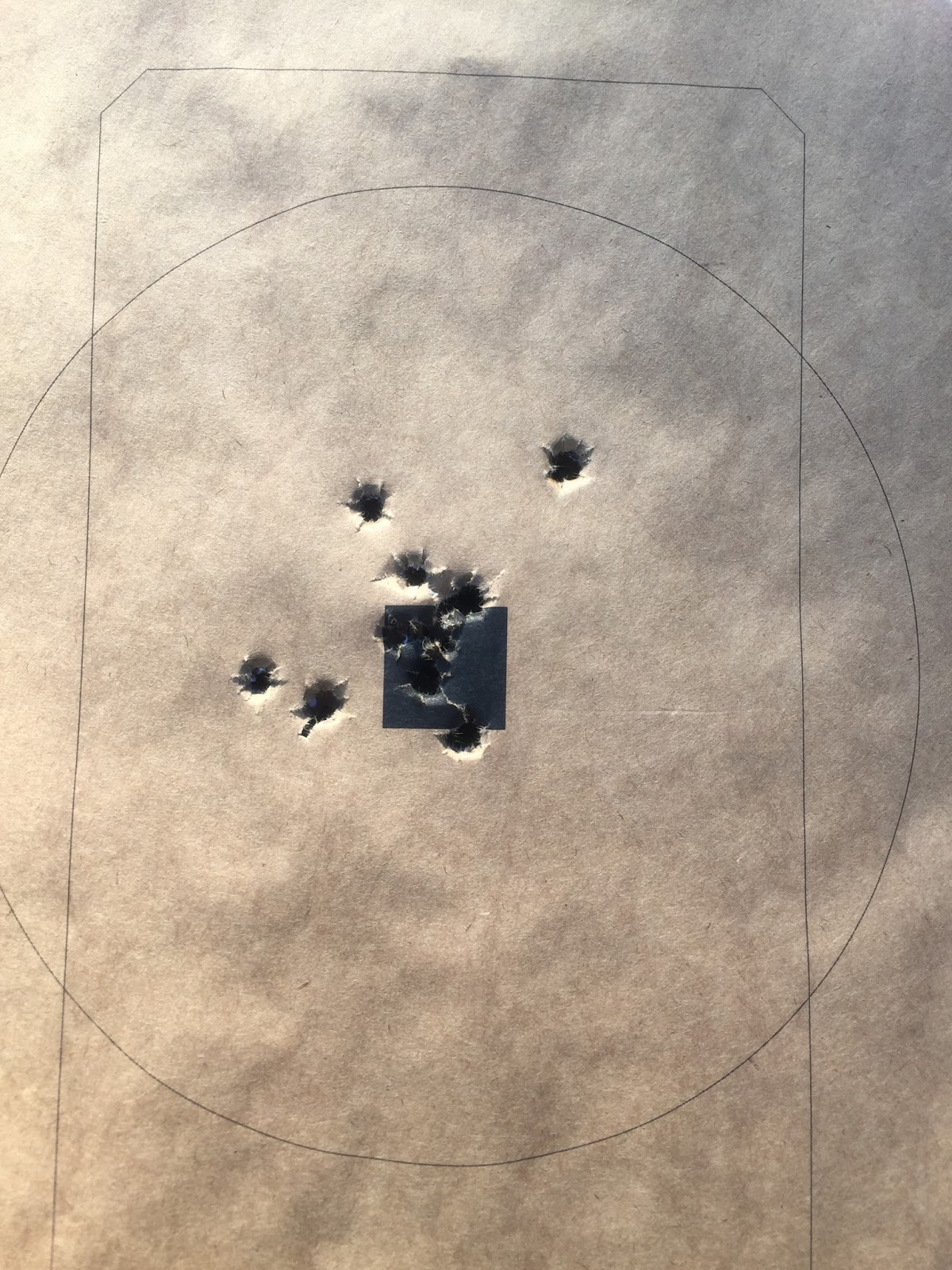
That box data directly tells you whether your 9mm will shoot flat or require elevation compensation at close range.
Comparing Standard Pressure vs. +P and How It Affects Barrel Life and Reliability
Standard pressure 9mm operates around 35,000 psi, while +P loads push closer to 38,500 psi, generating higher velocity and energy at the muzzle. That extra pressure accelerates throat erosion and slide velocity, often reducing barrel life by 20–30% in high-round-count pistols. Reliability shifts too: +P ammunition can improve cycling in stiff recoil springs or short-barreled guns, but it may induce premature unlocking in worn platforms, causing extraction issues. Conversely, standard pressure offers smoother feeding and less frame stress, making it ideal for older firearms or suppressors. Choose +P only when you need terminal performance, accepting faster wear and more frequent parts replacement.
Standard https://specialtysportsandsupplyltd.com/ pressure maximizes durability and consistency; +P boosts power but sacrifices barrel life and can degrade reliability in aged or marginal firearms.
Proper Storage and Care to Keep Your 9mm Cartridges Reliable for Years
To keep your 9mm ammo reliable for years, control moisture and temperature above all else. Store boxes upright in sealed ammo cans with desiccant packs, avoiding basements or attics where humidity cycles accelerate case corrosion and primer degradation. Keep your 9mm cartridges out of direct sunlight and extreme heat, which can weaken propellant and alter pressure. Inspect each round before loading; discard any with green verdigris on brass, pierced primers, or bullet setback. Rotate your defensive carry stash annually, using older 9mm for practice so nothing ages past its prime.
The single biggest killer of stored 9mm ammo is humidity—a 10°F temperature swing in a damp closet can condense moisture inside the case, so use a silica gel indicator and reseal your ammo can every time.
Never oil or 6.5x55 Swedish Ammo for Sale lubricate cartridges; vaporized oil contaminates powder and causes misfires. Wipe down magazines and keep rounds in original trays to prevent bullet-to-bullet friction.
Best Practices for Humidity Control and Avoiding Corrosion on Primers and Cases

For long-term 9mm reliability, humidity control is the primary defense against corrosion on primers and cases. Store ammunition in airtight, military-spec弹药 cans or vacuum-sealed bags, adding desiccant packs to absorb ambient moisture. Silica gel should be recharged regularly; once saturated, it accelerates rust. Maintain a stable environment below 50% relative humidity, using a hygrometer to monitor storage areas. Avoid basements or garages prone to condensation—temperature swings cause primer pocket and case mouth corrosion. Apply a light, non-penetrating oil (e.g., CLP) to case exteriors only, never inside primers or powder.
- Inspect rounds every six months, wiping surface oxidation with a dry cloth.
- Rotate stock yearly, using oldest first.
- Discard any case with green or white residue—corrosion compromises structural integrity.
For bulk storage, layer cases with moisture-absorbing cardboard between reloads to prevent galvanic reactions.

How to Rotate Your Stash and Spot Signs of Dented or Damaged Brass Before Loading
To keep your 9mm stash reliable, adopt a strict first-in, first-out rotation—always pull older boxes from the bottom or back of your storage and place new purchases behind them. Before loading, inspect each round under bright light, rolling the brass between your fingers to catch subtle bulges. Spotting damaged 9mm brass before it jams means looking for dents at the case mouth, tiny cracks near the rim, or deep scratches that compromise the seal. Discard any round with a visibly ovaled or pinched case, since these deformities cause feeding failures. A quick thumb-pressure test on the bullet tip also reveals loose seating.
- Rotate by physically stacking new ammo behind your existing supply.
- Check the case mouth for ovaling, which indicates a hard impact.
- Run a fingernail along the case shoulder to feel for sharp dents.
- Reject any brass with a darkened, creased line near the extractor groove.
Getting Consistent Performance at the Range: Common Malfunctions and Fixes
Your 9mm feeds hot, ragged, and fast—until it doesn’t. The most common range stoppage is a failure to extract, usually from weak factory crimp or a dirty chamber; fix it by running a bore brush through the chamber every 200 rounds and switching to brass with a firm taper crimp. Next, stovepipes happen when limp-wristing saps the slide’s energy—lock your support hand hard and let the recoil spring do its job. If you see a double-feed, drop the mag, rack twice, and reload; don’t piddle with the slide release. Ammo that’s too light for your recoil spring will short-stroke, so test 124-grain NATO loads if 115-grainers feel mushy. Lubricate sparingly—over-oiling gums the striker channel and stalls ignition. What works at the bench on a sunny day won’t hold up in a dusty hurry, so run malfunction drills every third magazine. Finally, replace your extractor when it starts tearing case rims—that’s the silent killer of consistent 9mm cycling.
Why Light Primer Strikes Happen and How to Tell If It’s the Ammo or Your Gun
A light primer strike in your 9mm usually stems from insufficient firing pin energy reaching the primer. To isolate the cause, first inspect the primer indentation. Diagnosing light primer strikes by primer indentation depth is your fastest troubleshooting step. If the dent is shallow or off-center, the gun is suspect—check for a worn firing pin spring, a dirty firing pin channel, or excessive headspace. If the dent appears deep and centered, the ammunition is likely at fault, particularly hard military-style primers or seated too deep. Follow this sequence:
- Fire the suspect round in a different, known-good pistol.
- If 6.5x57mm Mauser Ammo for Sale it fires, your original gun’s striker system needs attention.
- If it still fails, measure the cartridge’s primer seating depth; flush or below is correct.
Always test a fresh box from a different lot to confirm ammo consistency before modifying your firearm.
Reducing Misfeeds with Proper Grip and Matching the Right Bullet Profile to Your Magazines
Misfeeds in 9mm pistols often stem from a weak grip, not the ammunition. A limp wrist allows the slide to cycle too slowly, failing to strip the next round. Firm, high-handed grip pressure prevents this. Additionally, bullet profile compatibility with magazines is critical; round-nose or flat-point 9mm loads feed reliably, while sharp, wide hollow points can snag on the feed ramp. Test your chosen defensive load in your specific magazine to confirm smooth cycling. If the round nose catches, switch to a more tapered profile or a magazine with a stronger feed lip angle for consistent chambering.